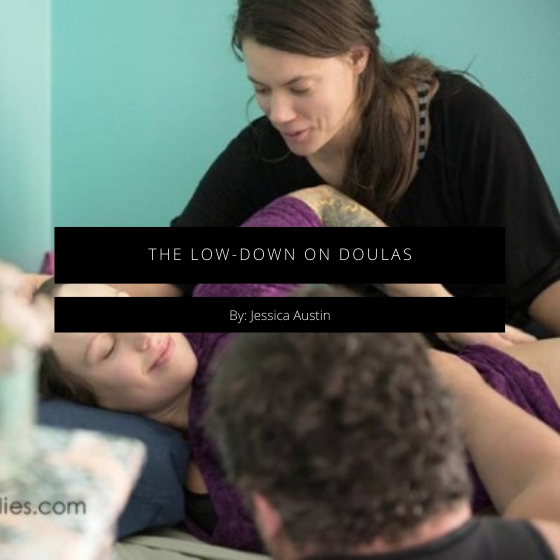
Blog & Updates on Vancouver Prenatal Classes
The So-Called Due Date
If there is one date that your baby is unlikely to arrive, it is on your so-called due date. Approximately 96% of people do not give birth on that date. Odds are, neither will you.
So when do people typically give birth? Where does the putative “due date” come from, and why do we even call it that?

The Tip of the Parenting Book Iceberg
What follows are brief reviews of two birth and three parenting books, and a recommended stage of pregnancy or age of your child for reading for maximum impact. This is the teeniest tiniest tip of the iceberg - new parents are a vulnerable market, and everyone has vital advice for you at a low, low price.

Gate Control Theory
There are many approaches to coping with the physical demands of labour, ranging from breathing & relaxation to the use of medical anaesthetics. Before you give birth, it is a good idea to be aware of some of these options so you will be able to make use of them during labour.
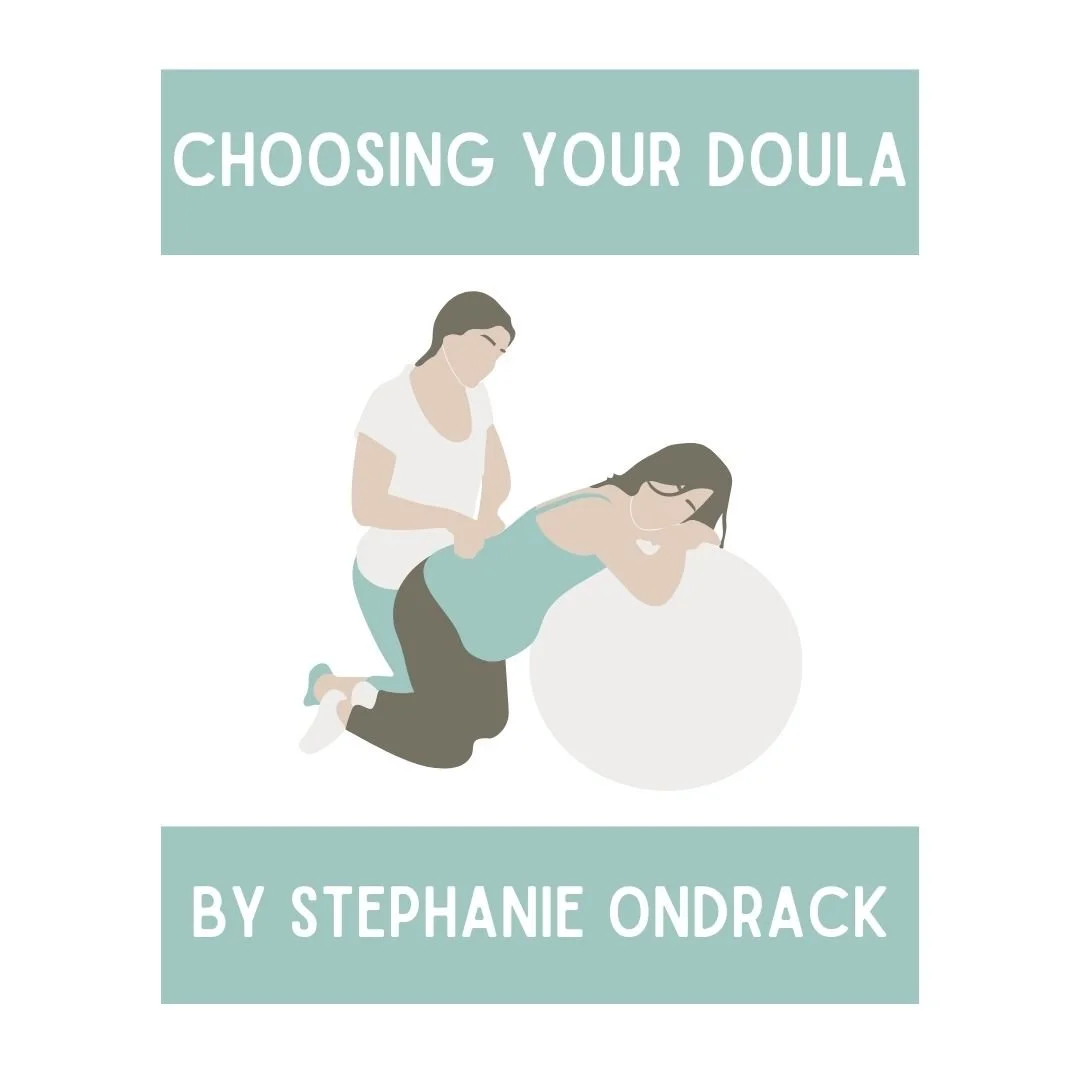
Choosing Your Doula
So you have decided to hire a doula for your upcoming birth. That’s great! If you’re still considering the pros and cons, you can check out this article. But if you’ve already made the decision that you’d like to have doula support at your birth, the next step is choosing your doula.
Here are eight things you might want to consider.

Going Pee and Giving Birth: 4 things about emptying the bladder during labour that you probably didn’t know
You may have heard about the importance of eating, drinking, breathing, and changing positions during labour, but did you know that urinating regularly is equally important? Here are four reasons why. Some of them might surprise you.
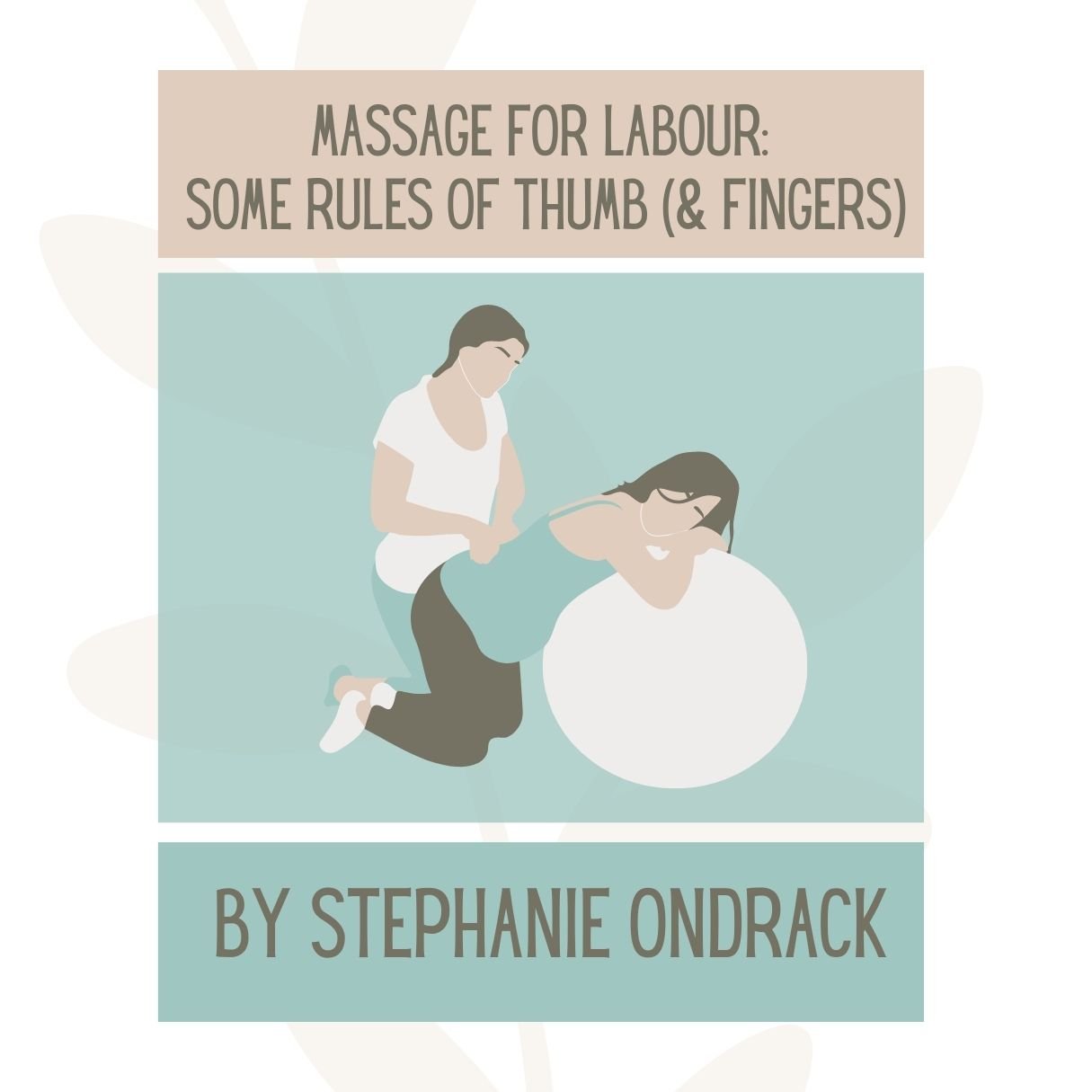
Massage for Labour: Some Rules of Thumb (& Fingers)
Massage is an excellent tool for coping with labour. It is a classic, well known comfort measure. It works in several ways.
But whatever you do, there is one thing you might want to avoid: creepy fingers.
For many people, creepy fingers during labour can turn massage into a thoroughly unpleasant experience.
Location, Location, Location: Choosing Baby’s Place of Birth
“Have you considered having a home birth?” My midwife had asked me in one of our first appointments. I promptly responded no, but the question spurred a few thoughts: “I’m a nurse. How could I even consider that?” “That can’t be safe.”
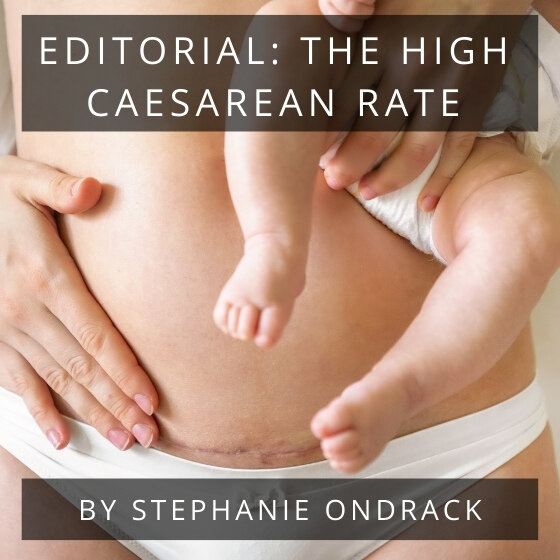
Editorial: The High Caesarean Rate
The World Health Organization states that the Caesarean rate should ideally hover around 10%. Anything lower means parents and babies who might benefit from Caesarean births are not getting enough access, and anything higher means too many surgeries are being performed without any improvement in maternal or newborn outcomes.